
Woh Hup
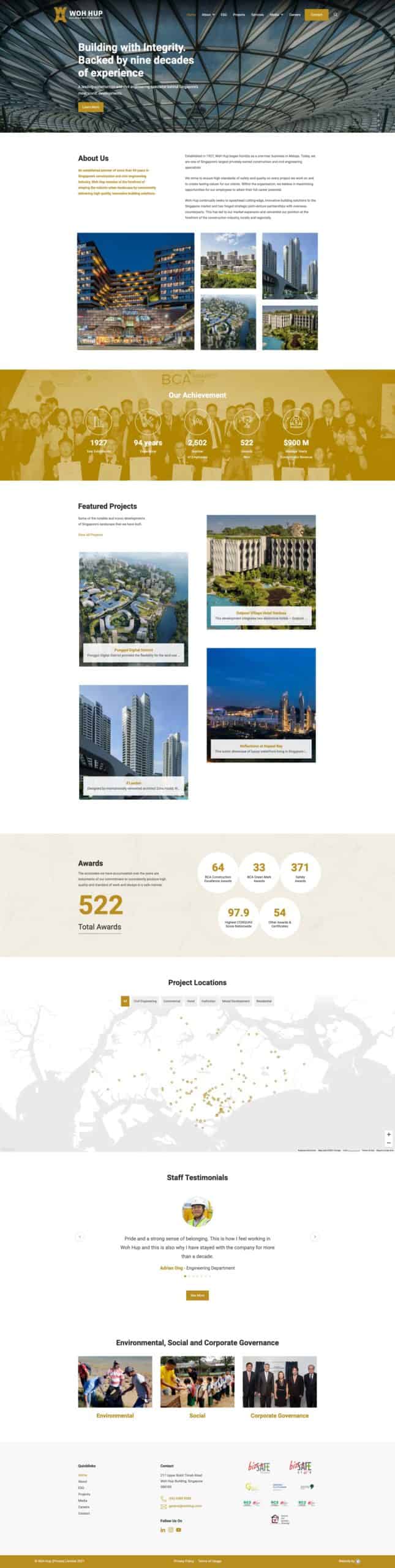
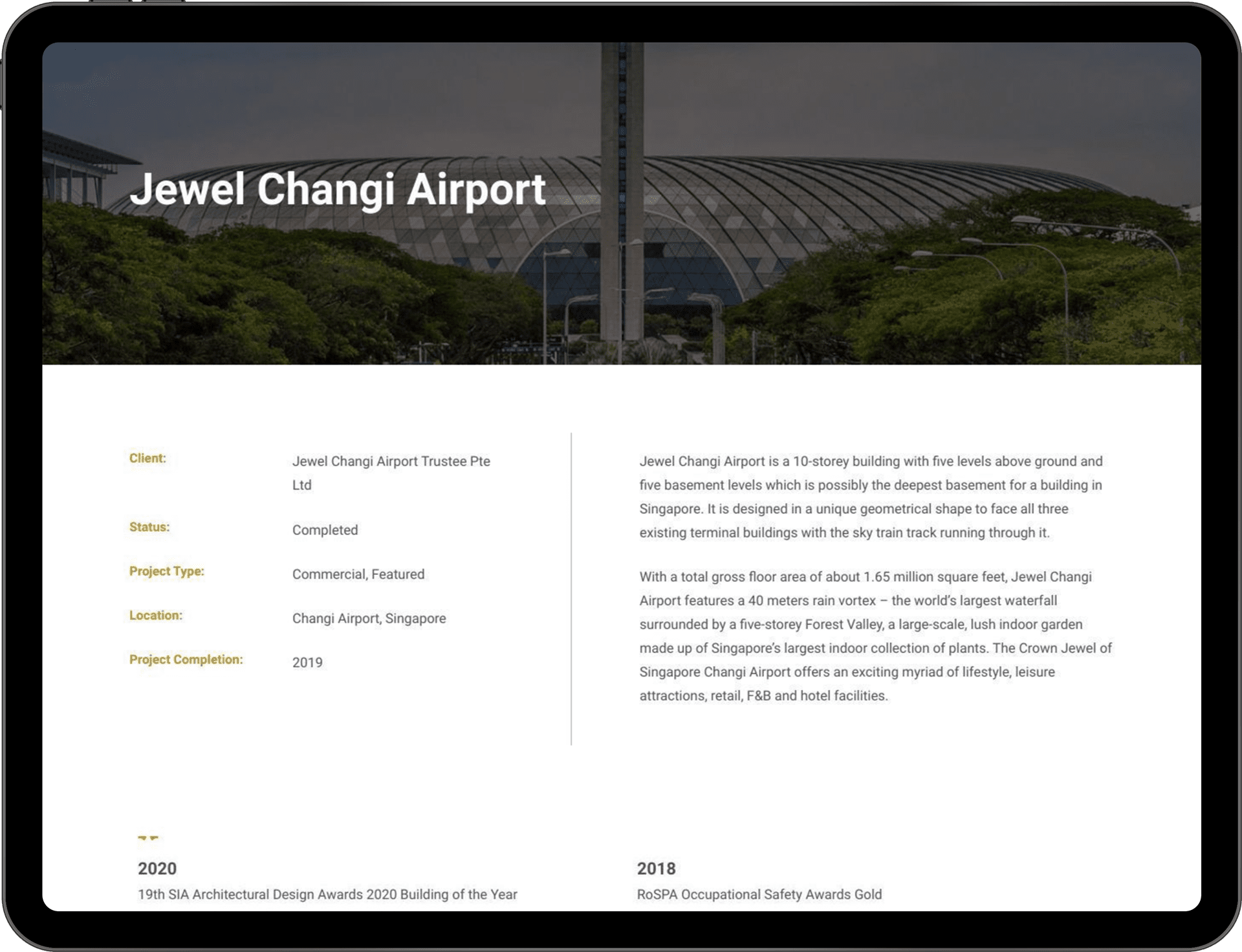
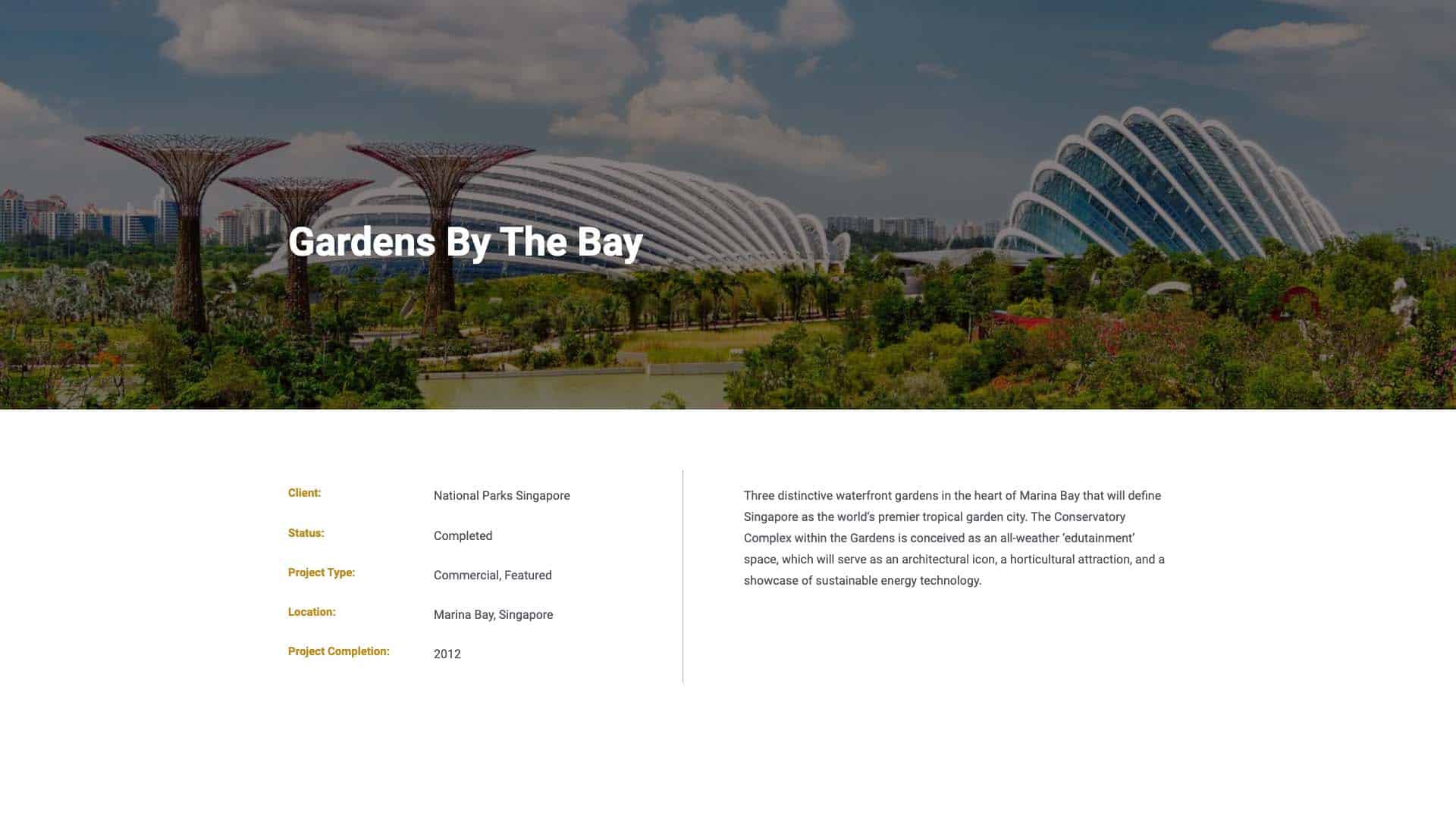
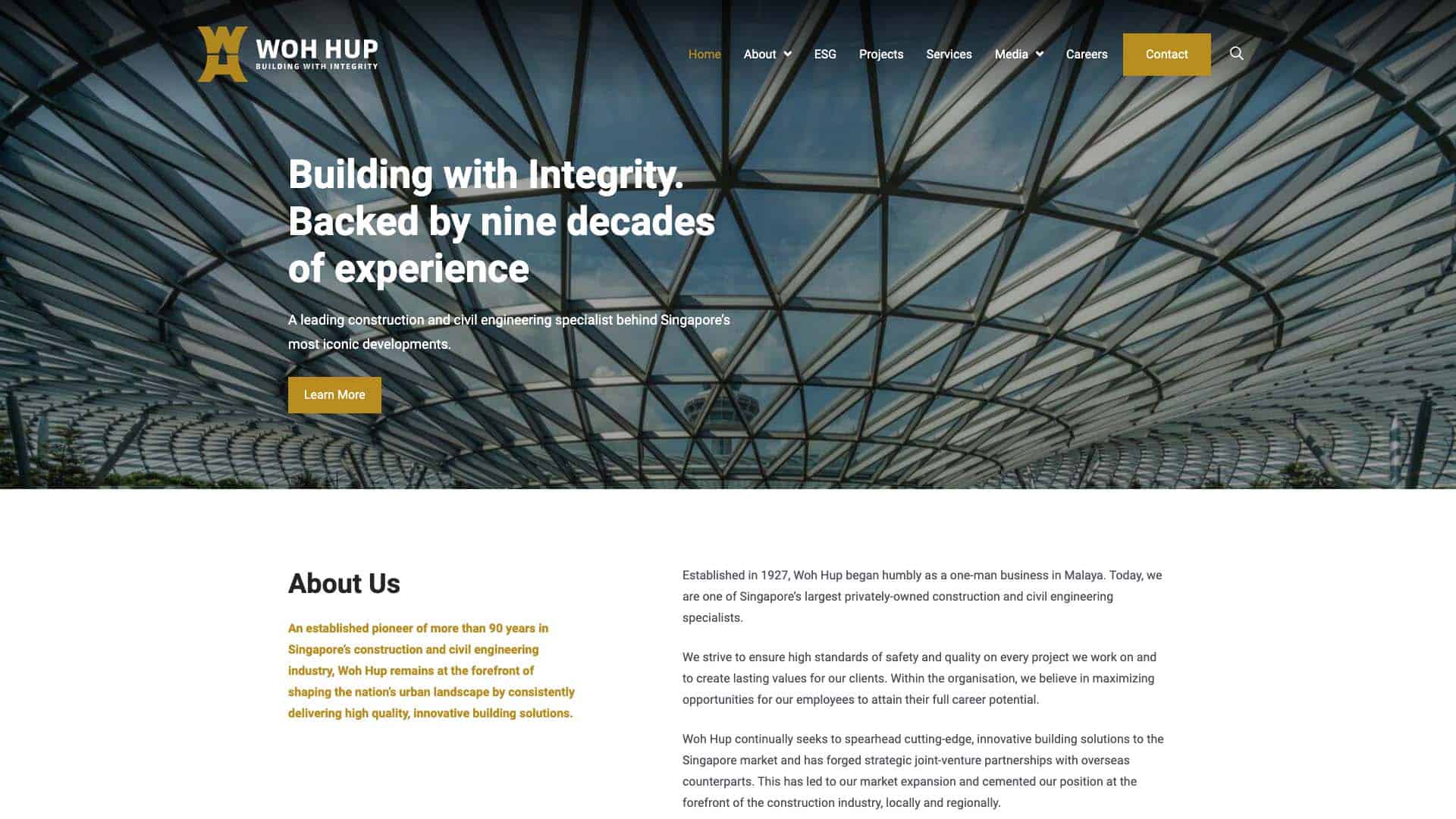
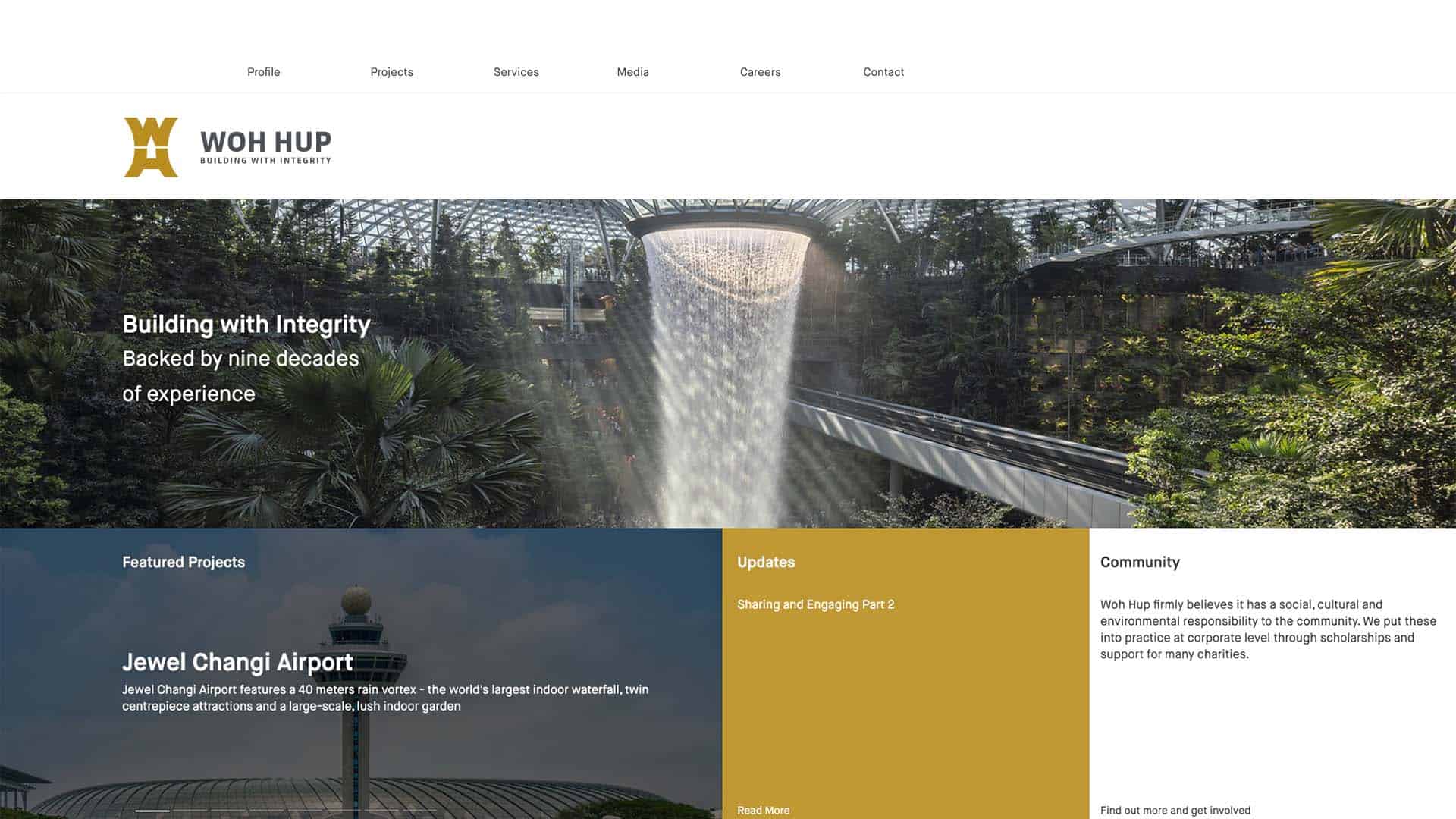
Woh Hup has been building Singapore since 1927 (Gardens by the Bay, Jewel Changi Airport, Reflections at Keppel Bay). We built the WordPress platform that carries all 164 of those projects, and when the family's charitable trust needed a site, they came back.
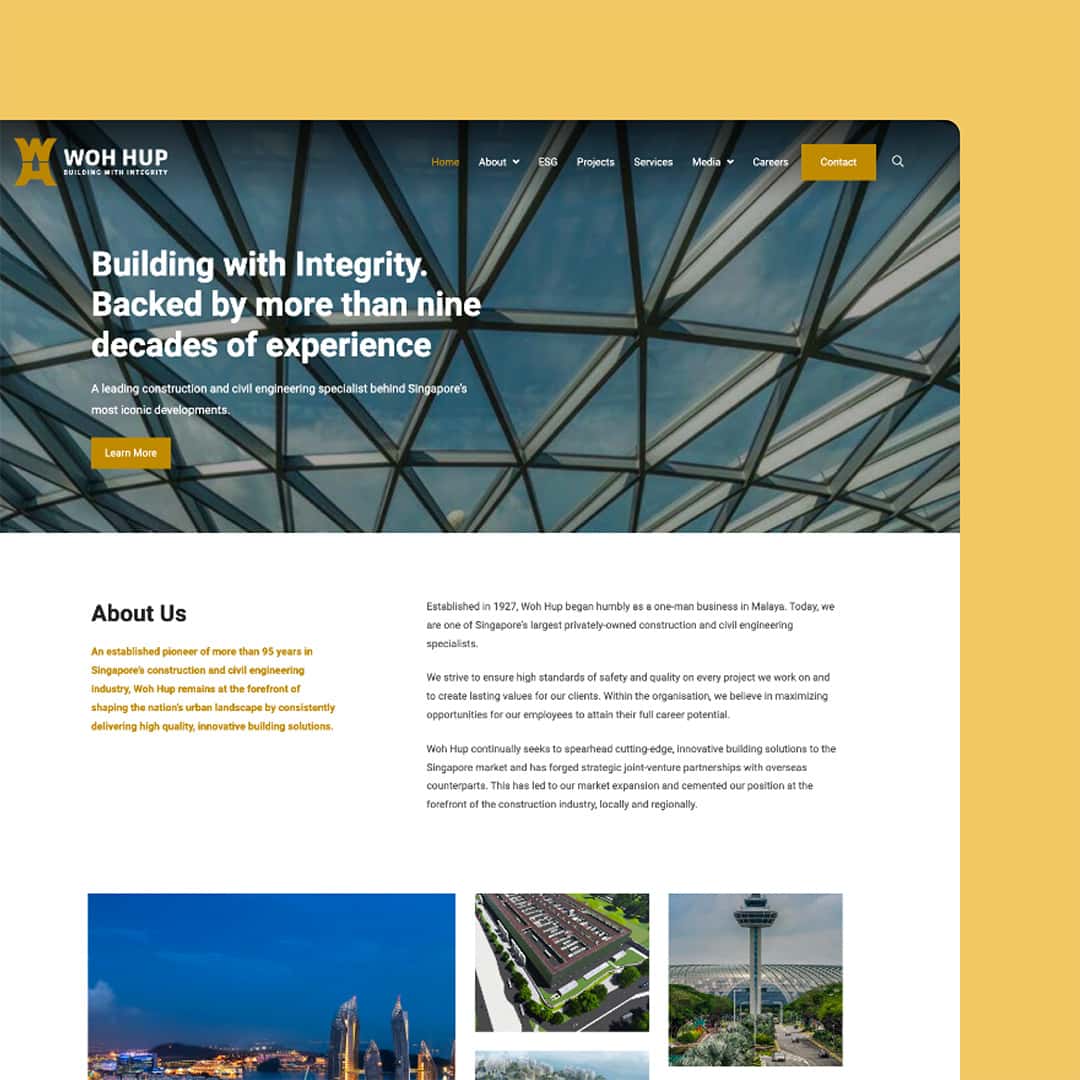
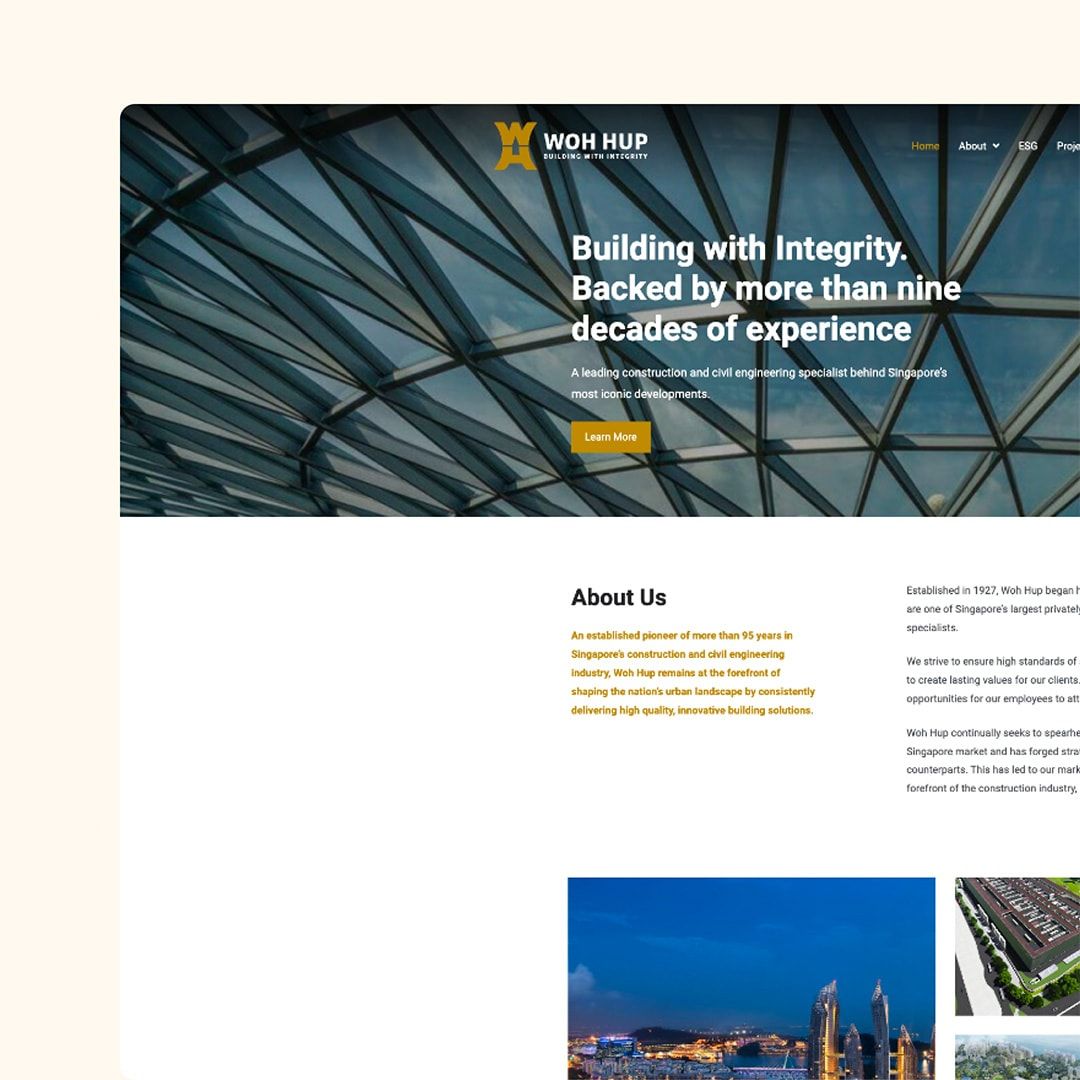
A custom WordPress platform that presents Woh Hup's 164-project portfolio the way it deserves, still live and current today, with a second build for the Woh Hup Trust in 2025.
What we were solving
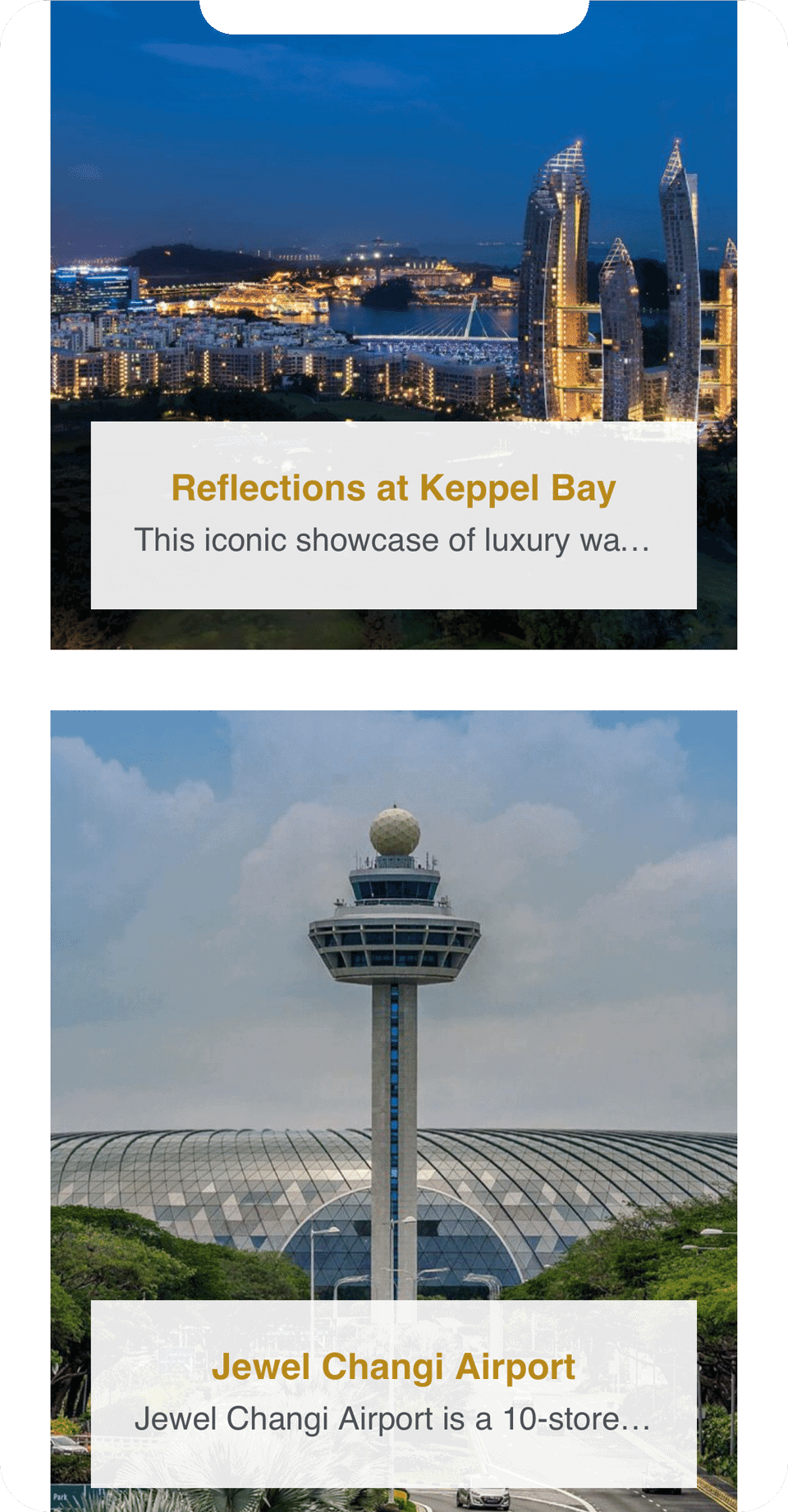
Woh Hup is one of Singapore's largest privately-owned construction and civil engineering firms, and one of its oldest. Since 1927 it has spent almost a century building the developments Singapore is known for: Gardens by the Bay, Jewel Changi Airport, Daniel Libeskind's Reflections at Keppel Bay, MRT infrastructure, and current work for Las Vegas Sands.
A company like that doesn't win work through its website. But it does get judged by it. Developers, government agencies, joint-venture partners and the engineers Woh Hup wants to hire all look. Ten decades of track record is worthless online if nobody can find the project that matters to them. Woh Hup engaged Chillybin to build a site that showed that portfolio, and what the firm can do for future clients, in a strikingly visual way.
Success meant a platform that could carry 164 projects without feeling like a filing cabinet, and that Woh Hup's team could keep current as new towers top out.

How we tackled it
A portfolio engine, not a brochure
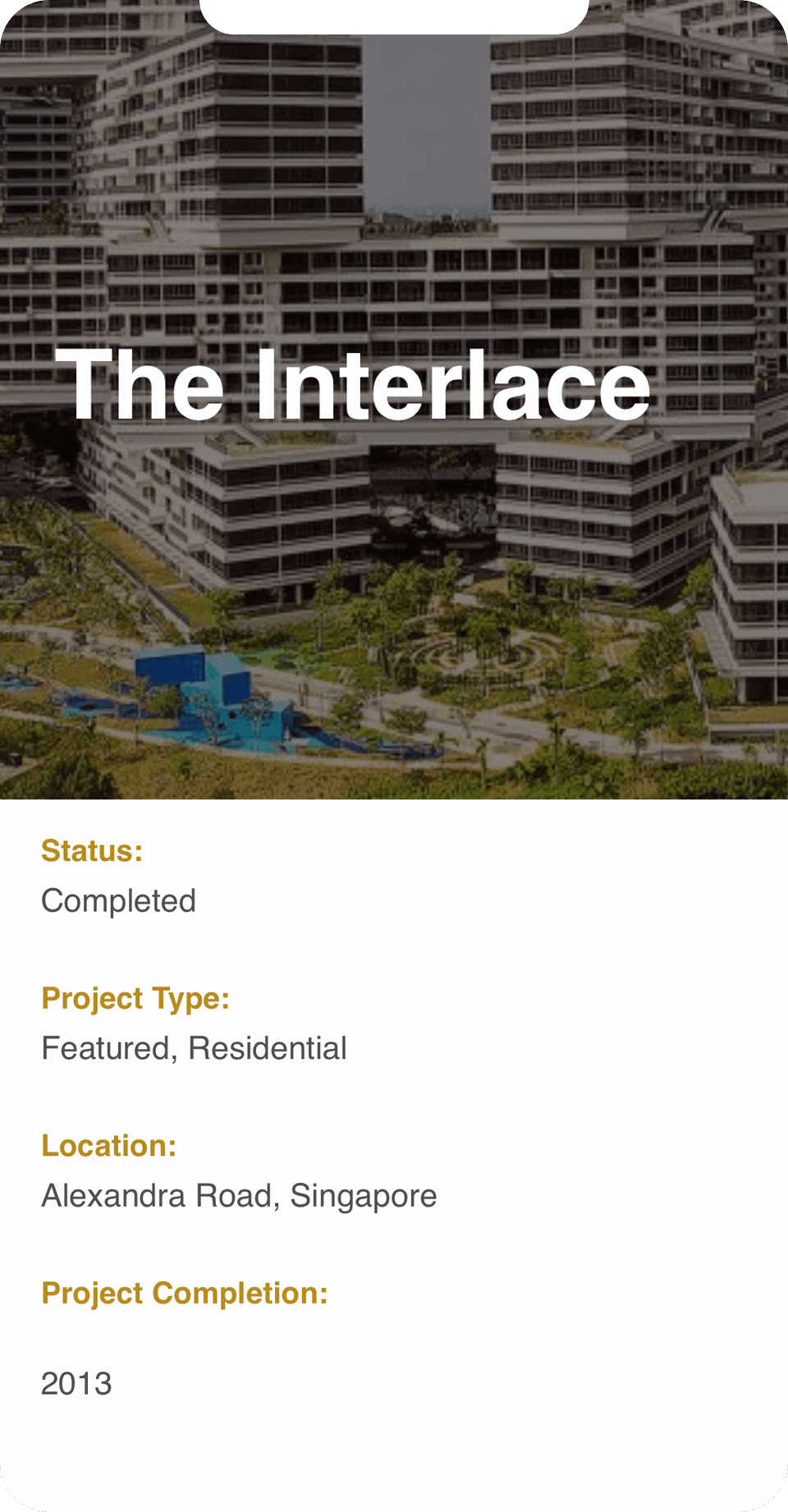
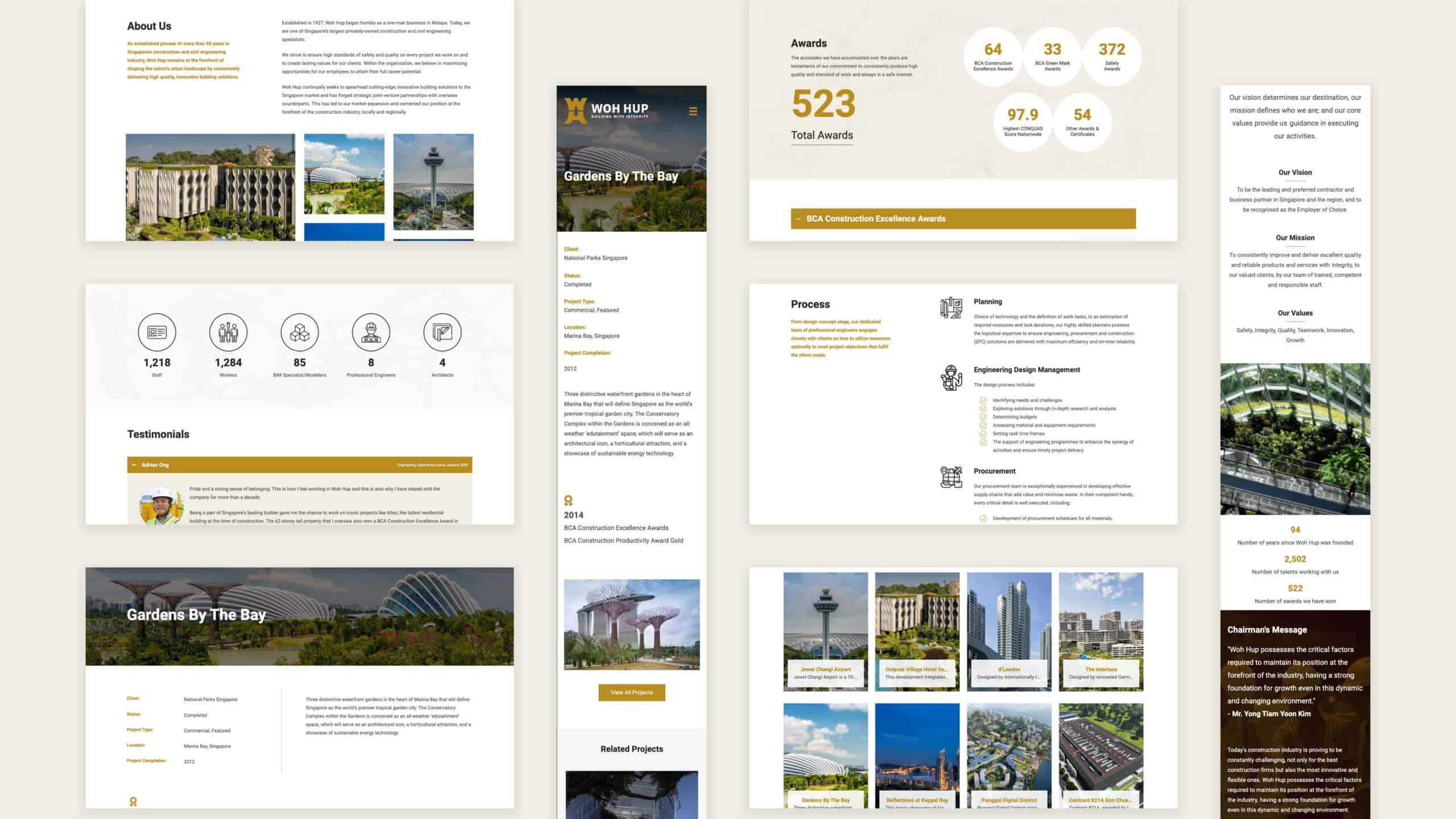
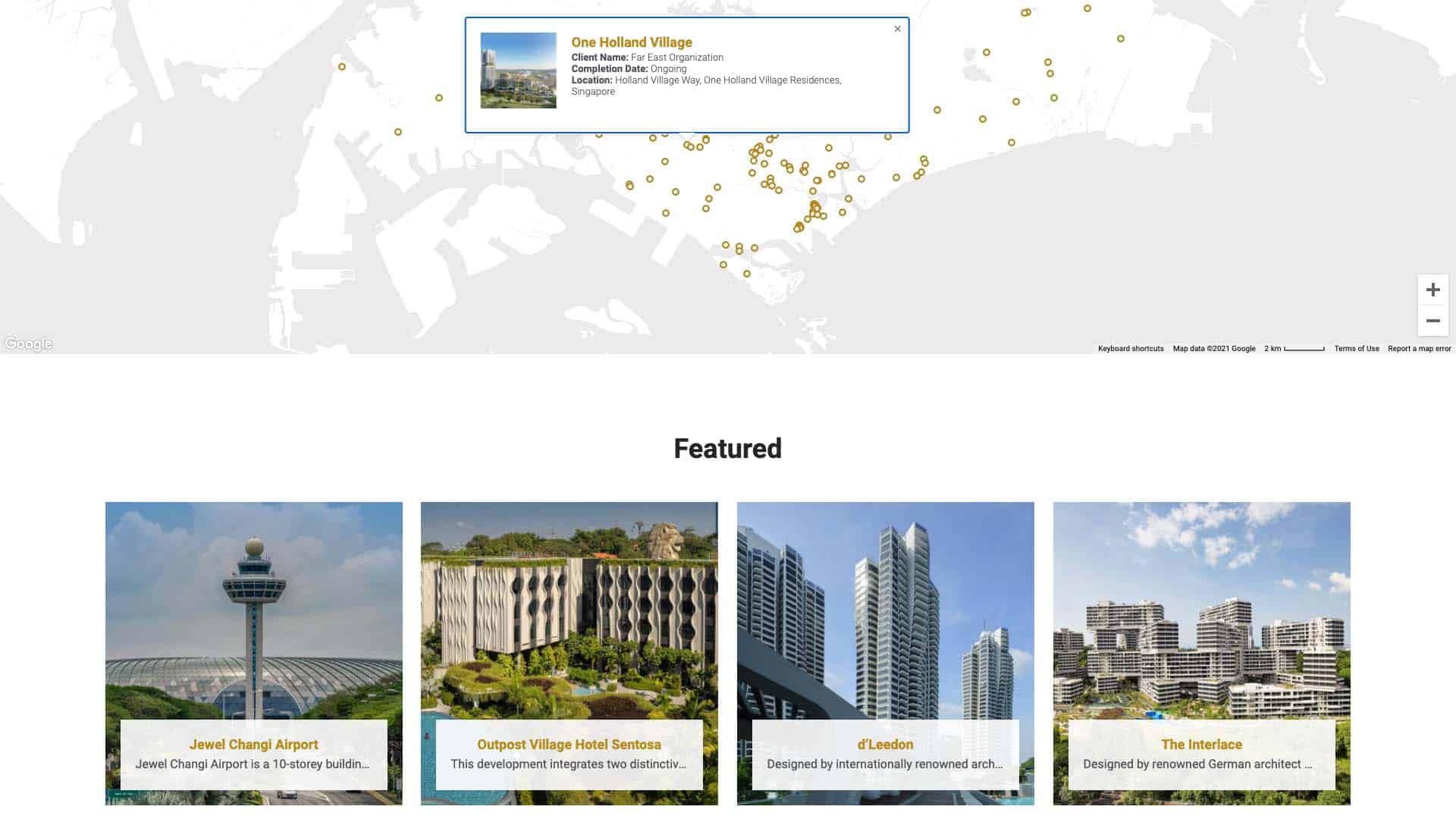
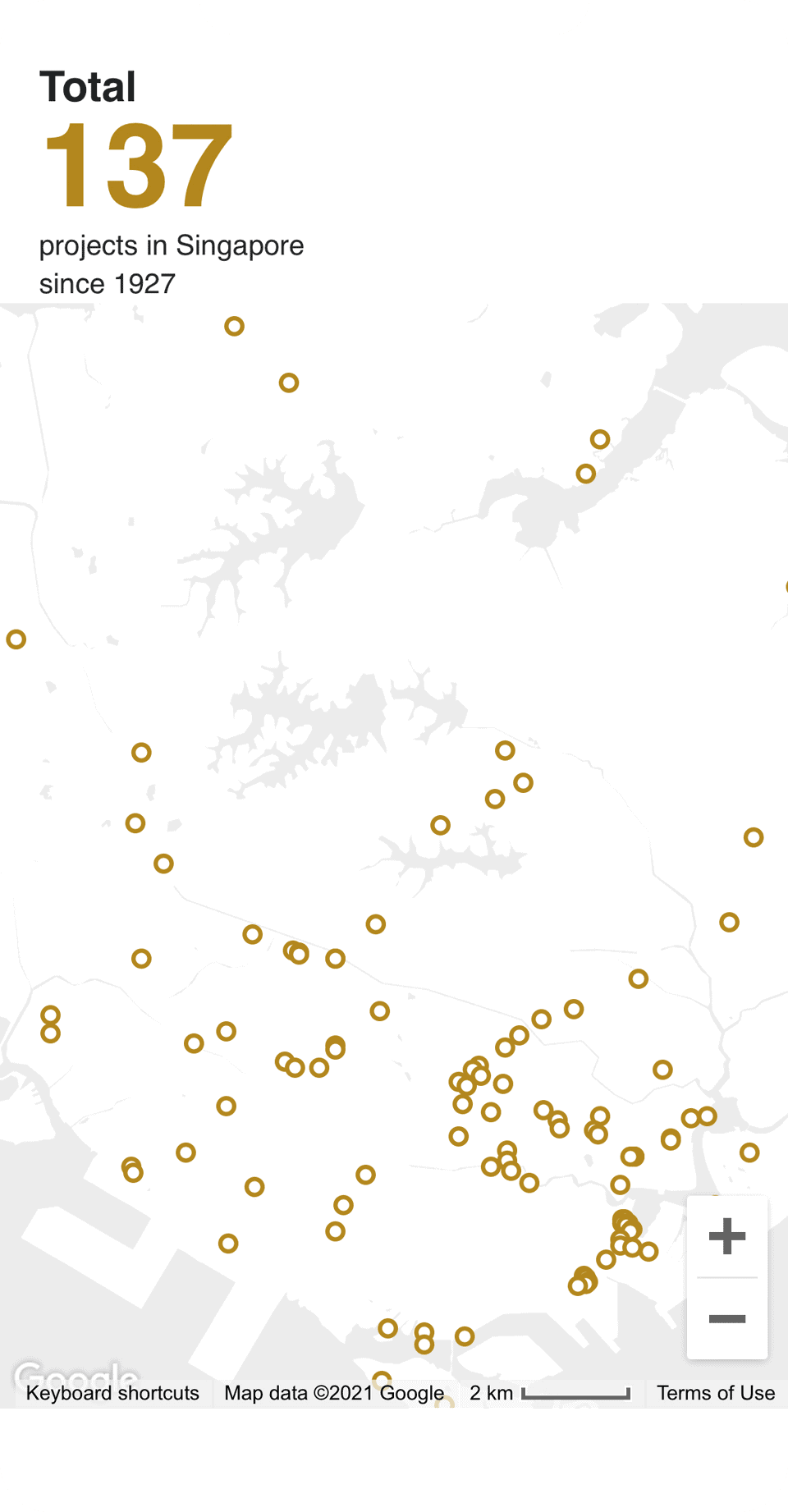
The heart of the build is the projects section. Every project carries its client, commencement date, location and imagery. The archive filters by sector (civil engineering, commercial, hotel, institution, mixed development, residential) and by status, with featured and ongoing work separated from the completed record. A buyer evaluating Woh Hup for a hospital job can pull up institutional work in two clicks. A graduate engineer can browse the landmarks.
A theme that belongs to Woh Hup
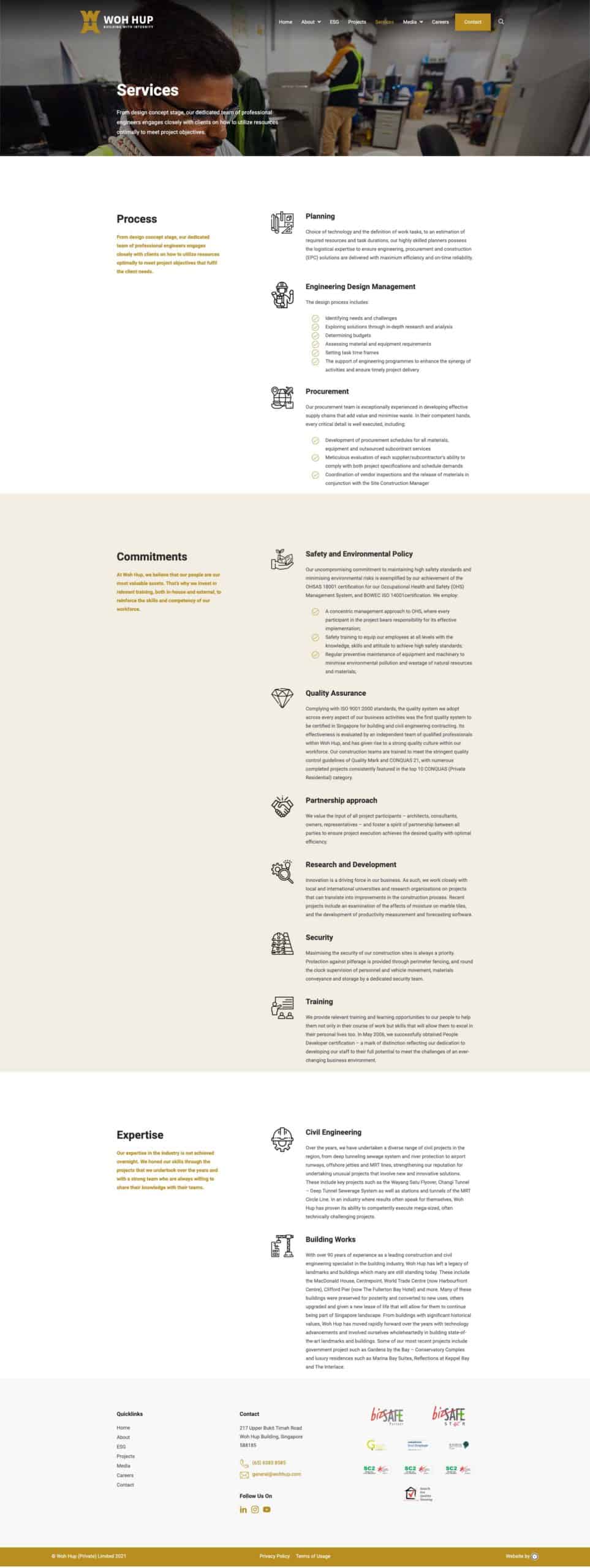
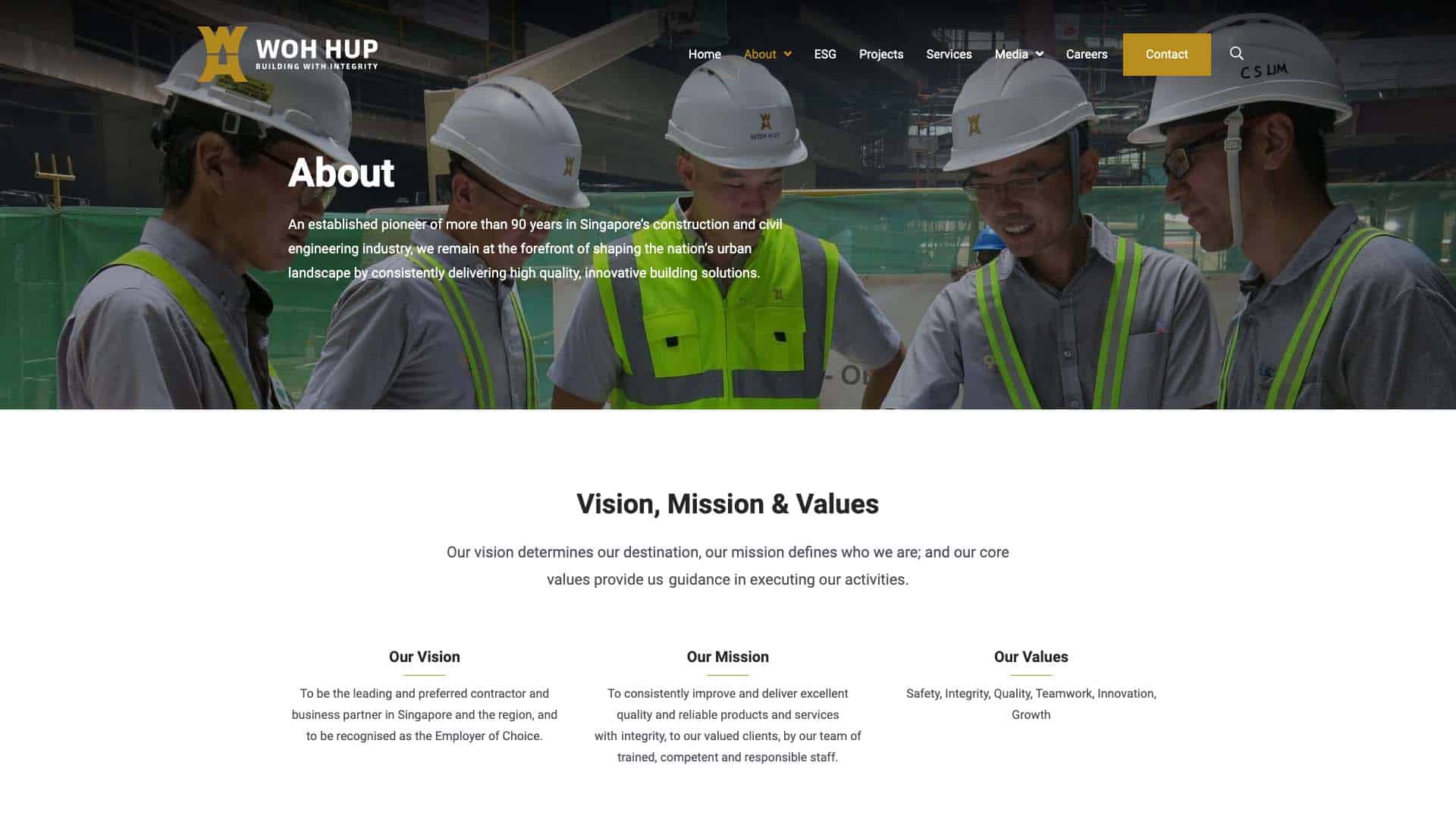
We built it on WordPress with a custom theme developed by Chillybin on the Beaver Builder framework, so the structure is Woh Hup's own rather than a template with the logo swapped. Around the portfolio sit group structure, awards, ESG, careers and the ISO certifications procurement teams check for. The platform was set up for Woh Hup's team to run. As of September 2026 the site is still live on our build and still growing its project list.
The second build: Woh Hup Trust
In 2025 the group came back. The Woh Hup Trust, its charitable arm, was still running on hand-coded .htm pages, and a regulated charity needs annual reports and audited statements published clearly every year. We designed and built wohhuptrust.sg on the same Beaver Builder foundation, branded to match wohhup.com. Custom post types for the board, reports and downloads, plus filterable report listings, let the trust's small team publish each year's accounts without a developer. Kickoff was February 2025, CMS training by August.
What we delivered
Woh Hup now has a public face that matches its standing: a fast, visual, filterable record of 164 projects since 1927 that the company maintains itself. When the group needed a second website for its charitable trust, it didn't run a tender. It came back to the team that built the first one.
The trust moved from static .htm pages to a WordPress platform with fourteen years of financial reports organised, filterable and easy to extend, meeting the transparency expectations that come with IPC status.
What we learned
Institutions that measure their history in decades need websites structured the same way. A 164-project archive only works if the taxonomy is right from the start. Sector and status filters are what stop a century of work becoming a wall of thumbnails, and getting that structure right mattered more than any visual flourish.
Maintenance is the real relationship. A site that is still live, current and in the client's own hands years after launch is what turned one build into two.